



My Scientific Journey and Research Experience in China
ZOKIR OMONOVICH TOSHMATOV
Associate Professor, Institute of the Chemistry of Plant Substances named after Academician S. Yu. Yunusov, Academy of Sciences of the Republic of Uzbekistan
My scientific field is Phytochemistry, with a particular focus on the isolation, structural elucidation, and biological evaluation of naturally occurring bioactive secondary metabolites. My research covers both plants and endophytic microorganisms, which are important sources of chemically diverse and biologically active natural products. I am particularly interested in discovering individual compounds with antifungal, antibacterial, phytotoxic, and other biological activities, and in understanding their potential ecological and practical applications. Through my research, I combine natural products chemistry with biological activity studies to explore new bioactive compounds and their potential for sustainable applications in agriculture and plant protection.
My collaboration with the Xinjiang Institute of Ecology and Geography, Chinese Academy of Sciences (XIEG) has been an important and rewarding part of my scientific career. I have worked as a Visiting Researcher, Postdoctoral Researcher, and Visiting Scientific Researcher at the Key Laboratory of Desert and Oasis Ecology. During this period, we investigated allelochemicals produced by invasive plants, including Solanum rostratum, Xanthium spinosum, Xanthium italicum, and Ambrosia artemisiifolia, as well as endophytic fungi associated with these plants. We studied their secondary metabolites and evaluated their phytotoxic potential.
Since 2025, I have continued my collaborative research at the Key Laboratory of Ecological Safety and Sustainable Development in Arid Lands, XIEG. Together with Professor Zhang Daoyuan and his research team, we began investigating beneficial endophytic bacteria with strong antagonistic activity against Cytospora mali, a serious canker-causing pathogen of wild apple trees. Our research focused on discovering and characterizing antifungal secondary metabolites produced by these microorganisms.
During this work, we investigated the metabolites of Bacillus zhangzhouensis and Streptomyces californicus, both of which showed strong antagonistic activity against Cytospora mali. Their biologically active secondary metabolites were isolated, identified, and evaluated for their antagonistic activities. The results of these studies were published in prestigious scientific journals.
Our findings also demonstrated that there is considerable potential for further discovery of biologically active microbial metabolites. This encouraged me to continue my research in this direction, and in 2025 I applied for the Chinese Academy of Sciences President's International Fellowship Initiative (CAS PIFI) with a project entitled “Deciphering Pure Compounds from Strongly Antagonistic Pseudomonas chlororaphis against the Canker-Causing Pathogen Cytospora mali and Determining Their Biological Activity.” I was very pleased to be awarded the CAS PIFI Fellowship for this project.
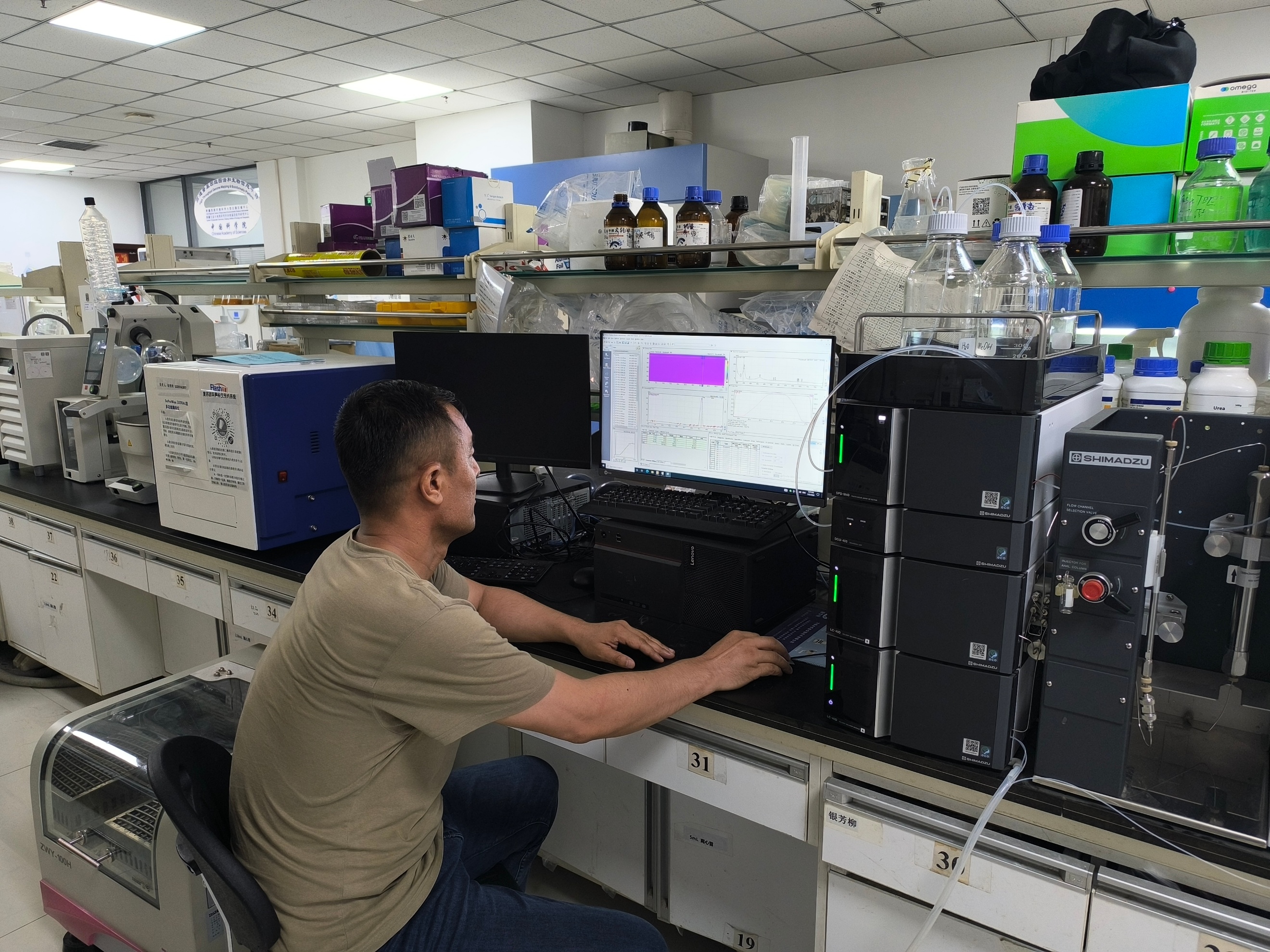
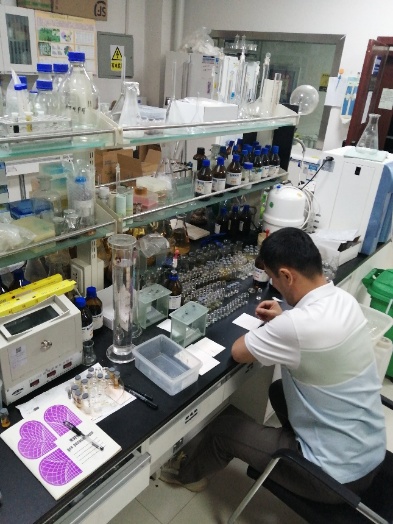
The main aim of the project was to investigate the secondary metabolites of Pseudomonas chlororaphis, identify its antifungal compounds, and evaluate their biological activities against Cytospora mali. The project produced encouraging results: more than ten individual secondary metabolites with strong antagonistic activity were isolated as pure compounds and structurally identified, and their biological activities were evaluated. The findings have been submitted for publication in prestigious scientific journals.
Looking back on my experience in China, I feel very fortunate to have had the opportunity to work in such a dynamic and collaborative scientific environment. My time at XIEG has allowed me to expand my knowledge of phytochemistry, natural products, microbial metabolites, and biological control, while also giving me the opportunity to build valuable scientific collaborations and friendships.
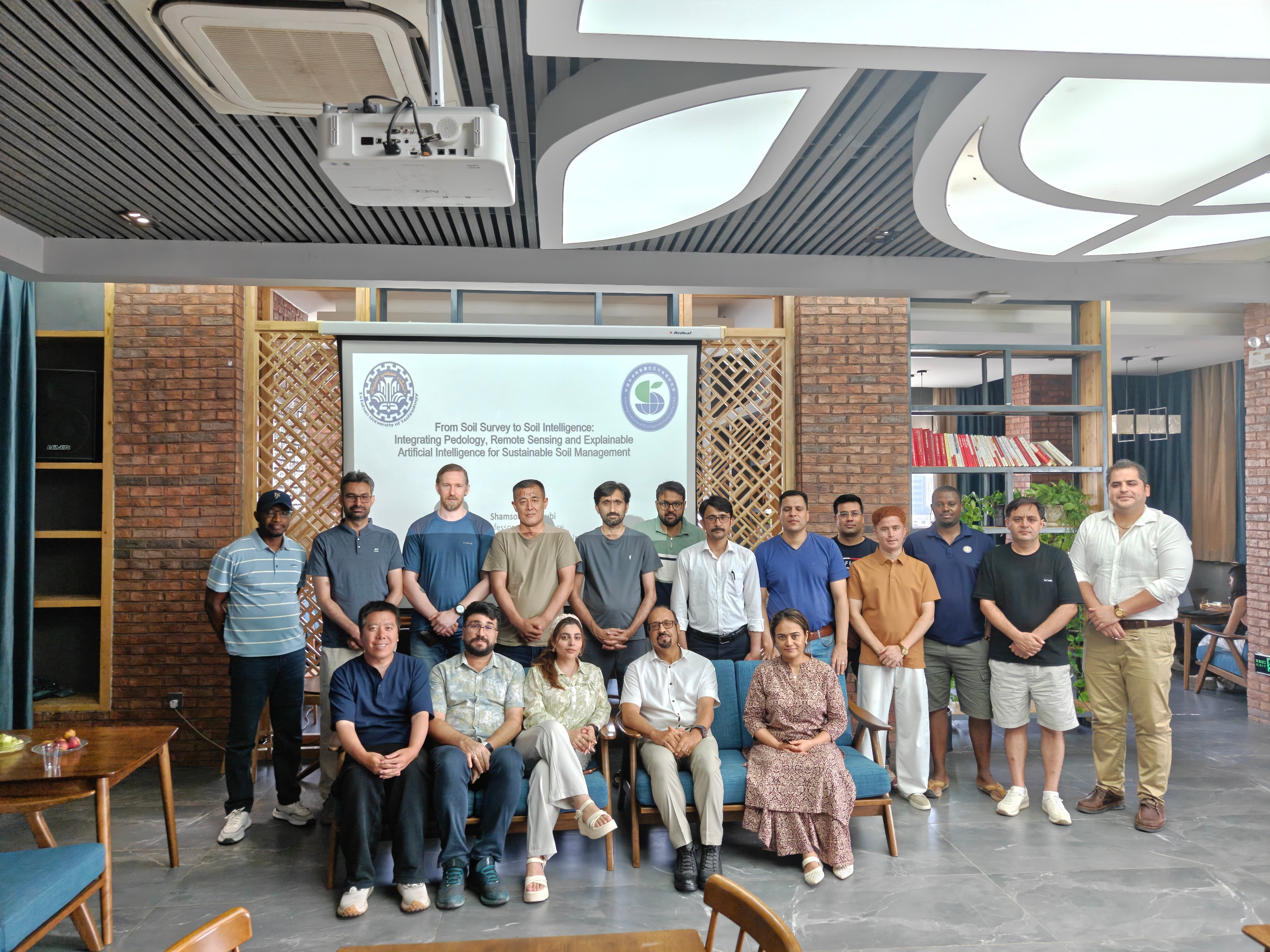
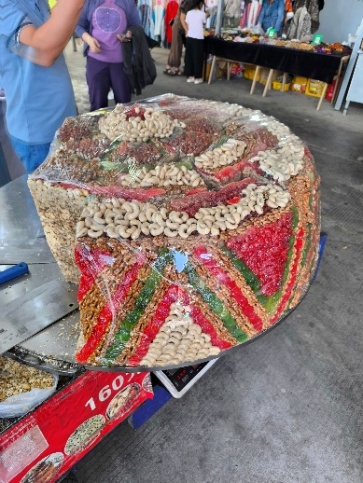
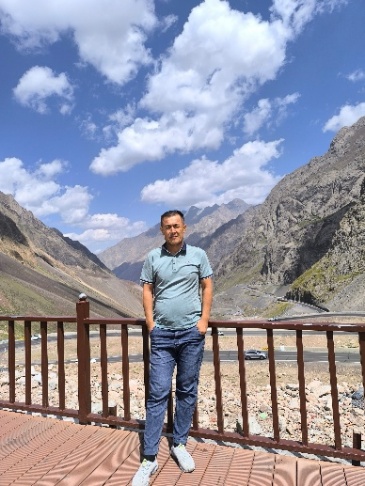
Living in Xinjiang has also been a memorable personal experience. I have had the opportunity to experience the region's rich culture, diverse cuisine, and remarkable natural landscapes, from snow-capped mountains to vast deserts. I have also travelled to other parts of China, experiencing its vibrant cities, peaceful countryside, and rapidly developing scientific and technological environment.
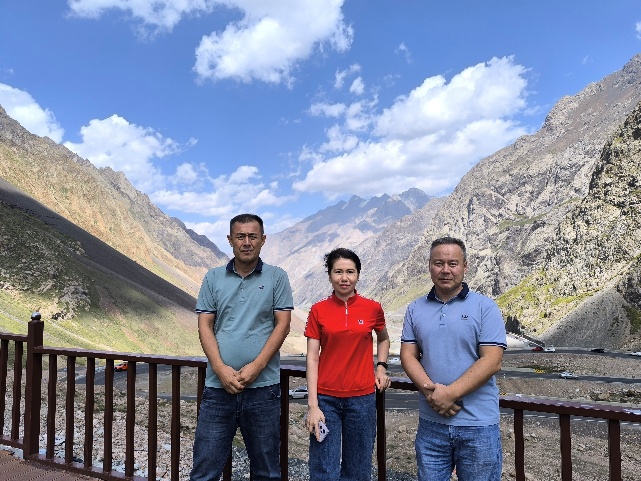
Most importantly, my experience in China has strengthened my belief in the importance of international scientific collaboration. I am deeply grateful to Professor Zhang Daoyuan and his research team, as well as the entire team at XIEG, for their hospitality, scientific guidance, and continuous support. I am also sincerely grateful to the Chinese Academy of Sciences and the CAS PIFI Fellowship Program for providing me with this valuable opportunity. The knowledge and experience I have gained in China will continue to inspire my future research and scientific collaborations.
- Appendix
-